


The Ordinary Azelaic Acid Suspension 10% Reviews: Is It Worth Trying?
If you are reading The Ordinary azelaic acid suspension 10% reviews, you probably want two answers: can this product help with blemishes or uneven tone, and will you actually enjoy using it? The short answer is that azelaic acid is a useful ingredient for some of those concerns, but this particular cream-like suspension has a finish that does not suit every routine. This review weighs the formula, realistic results, and common complaints without claiming that I personally tested the product.
Quick Answer
It may be a reasonable first azelaic acid product if you want a simple 10% formula for the look of uneven tone, texture, or post-blemish marks. Consider another texture if you need effortless layering under makeup or sunscreen, and see a dermatologist if you have persistent or severe acne, suspected rosacea, or unexplained discoloration.
Key Takeaways
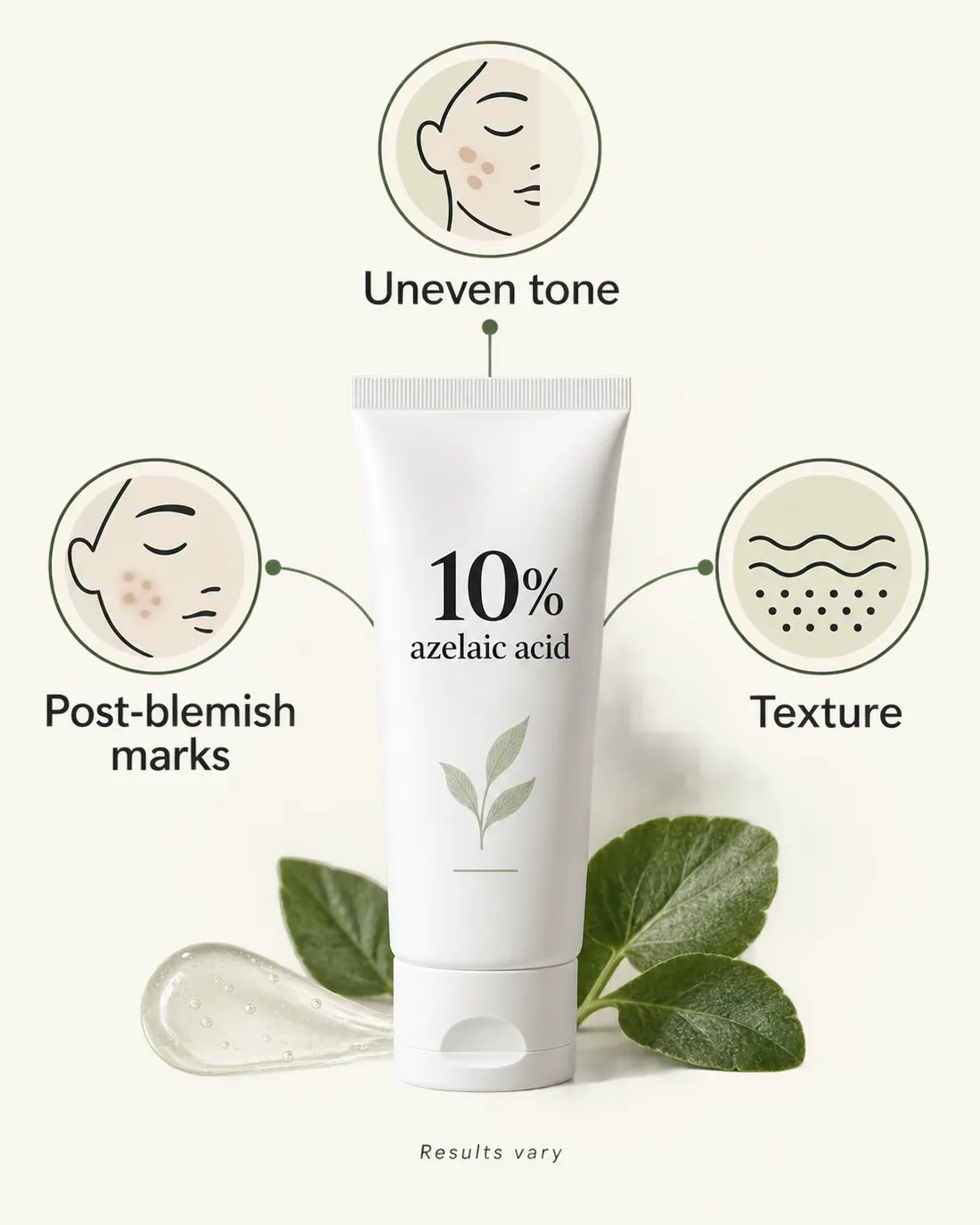
- The Ordinary describes this as a 10% azelaic acid, cream-like suspension for the appearance of uneven tone and texture.
- Azelaic acid has a place in acne and pigmentation care, but research on the ingredient or prescription products does not prove identical results from this cosmetic formula.
- The silicone-containing texture can feel smooth at first yet pill when layered or rubbed. That is a practical drawback, not evidence that the ingredient is ineffective.
- Expect to judge skin changes over weeks rather than days. Use consistent photos and keep sunscreen in the routine.
- Stop if you develop significant irritation. The brand advises patch testing and applying only to unbroken skin.
What does The Ordinary Azelaic Acid Suspension 10% do?
The official product page describes a cream-like treatment that targets the look of dullness, redness, uneven skin tone, and textural irregularities. Its listed ingredients include azelaic acid and several silicones, including dimethicone. The brand notes that formulations may change, so the package you buy is the final reference for its ingredient list.
Azelaic acid itself has more evidence than a generic “brightening” label suggests. The American Academy of Dermatology (AAD) says azelaic acid can help acne and the dark marks left after pimples. That does not mean this 10% cosmetic product will clear every breakout or fade every mark, and a mark left by acne is different from a pitted scar. Set your goal accordingly: fewer new blemishes or gradual improvement in uneven-looking color is a fairer test than expecting scars to disappear.
The review verdict at a glance
| Question | Practical verdict |
|---|---|
| Best reason to consider it | You want to try azelaic acid for uneven-looking tone, post-blemish marks, or texture. |
| Biggest advantage | A straightforward 10% treatment step that can fit into a basic routine. |
| Biggest drawback | The cream-like, silicone-containing finish may pill or feel heavy with other products. |
| Time to judge it | Several weeks of well-tolerated, consistent use; darker marks can take longer. |
| Who should get medical advice first | Anyone with severe or scarring acne, persistent facial flushing or bumps, or uncertain pigmentation. |
There is no defensible universal score for a skin product because skin concerns and texture preferences differ. My editorial verdict is worth considering for the ingredient, conditional on whether you like the finish. If sunscreen or makeup routinely rolls off over it, a different azelaic acid vehicle may be the more usable choice, even when the active ingredient sounds ideal.

Texture and pilling: the detail reviews often disagree on
The word suspension matters here. The formula feels more like a soft cream than a watery serum, and its ingredient list includes dimethicone. In one first-person product review, the writer liked the apparent skin results but found that rubbing too much or applying moisturizer immediately caused the product to pill. That is one person’s experience, not a guarantee that yours will behave the same way.
Pilling means little rolls of product form on the skin while you layer or rub. It can happen because products do not sit well together, there is too much product, or friction moves a partly set layer. It does not, by itself, show that skin is exfoliating or that the treatment has “purged” your pores. If your morning sunscreen becomes patchy, prioritize an even sunscreen layer and move the azelaic acid step to the evening if that works better for you.
Try a small amount on dry skin, spread it gently, and let it settle before the next product. Change one variable at a time: amount, preceding serum, moisturizer, or time of day. A simple routine makes the cause easier to spot, and you should never use less sunscreen merely to make the treatment look smoother.

The Ordinary Azelaic Acid Suspension 10% review before and after: What is realistic?
Be careful with “before and after” photos. Changes in lighting, angle, makeup, sun exposure, and the rest of a person’s routine can make the same face look dramatically different. A product review or customer image may be useful for seeing texture and packaging, but it cannot isolate the effect of this one cream.
For a more honest self-check, take a photo in the same place and lighting before starting, then again about every four weeks. Track the number of new blemishes and whether older brown marks are fading, rather than searching for an overnight glow. StoryPrior’s guide to how long skin care can take to work explains why different goals deserve different timelines.
The AAD says acne treatment generally needs at least six to eight weeks before fewer breakouts become apparent. Its guidance on dark spots also emphasizes that fading depends on the cause and can take considerably longer. Those are general treatment expectations, not a promised result or a clinical timeline established for this exact product.

How to use it without overcomplicating your routine
The brand’s current directions say to apply a small amount to the face in the morning and evening, avoid the eye area and mouth, use sun protection during the day, and apply only to unbroken skin. The product page places it after water-based products and before heavier treatments. You can begin less frequently if your skin is reactive, then adjust as tolerated rather than assuming twice daily is a requirement from day one.
- Cleanse gently and let your face dry.
- Apply any simple water-based product you already tolerate, if you use one.
- Smooth on a small amount of the azelaic acid suspension without repeated rubbing.
- Follow with moisturizer if needed. In the morning, finish with sunscreen.
The manufacturer currently recommends avoiding this formula in the same routine as strong acids, retinoids, or peptides. If you already use a prescription medicine, ask your prescriber how to arrange the products instead of stopping a prescribed treatment on the basis of a cosmetic compatibility chart. For a fuller routine walk-through, see StoryPrior’s guide to using The Ordinary Azelaic Acid Suspension 10%.
Sunscreen matters especially when dark marks are your goal. The AAD recommends broad-spectrum, water-resistant SPF 30 or higher, and notes that a tinted sunscreen with iron oxides can help protect against visible light that worsens some hyperpigmentation. Azelaic acid is not a substitute for that protection.

Side effects, precautions, and when to seek help
Even a product described as suitable for all skin types can irritate an individual. The Ordinary advises patch testing first and says to rinse off, stop use, and consult a physician if irritation occurs. The home product-testing guidance provides a method for checking a small area before you spread a new product over your face.
Do not treat substantial burning, swelling, blistering, or a worsening rash as proof that the acid is working. Pause the product and get medical advice for a significant or persistent reaction. If you have rosacea-like bumps or flushing, be aware that the AAD discusses prescription azelaic acid foam or gel for certain rosacea symptoms; this store-bought 10% cosmetic suspension is not the same formulation or an equivalent medical treatment.
If you are pregnant, nursing, or managing a diagnosed skin condition, ask your clinician about the full routine. The answer depends on more than the presence of azelaic acid: other products, your symptoms, and treatment goals matter too.
Frequently asked questions
What does The Ordinary Azelaic Acid Suspension 10% do?
The brand markets it for the appearance of uneven skin tone, redness, and texture. Azelaic acid is also used in acne and dark-mark care, but an individual cosmetic product cannot guarantee medical results.
How do I use The Ordinary Azelaic Acid Suspension 10%?
Apply a small amount after cleansing and any water-based layers, then follow with moisturizer if needed. The brand permits morning and evening use and calls for sun protection during the day; start gradually if your skin is sensitive.
Are The Ordinary azelaic acid review before and after photos reliable?
They can show someone’s reported experience but rarely control for lighting, other products, or natural fluctuations. For your own progress, use repeated photos under the same conditions and judge the concern you wanted to improve.
Can I use it with retinol or exfoliating acids?
The brand currently advises against using this product in the same routine with retinoids or strong acids. If a clinician prescribed one of your products, ask them how to schedule your routine instead of discontinuing it yourself.
Why does it pill under sunscreen or makeup?
Pilling can result when a thick layer, friction, or another product disturbs the finish. Try less product and less rubbing, or use the azelaic acid at night if it interferes with an even daytime sunscreen layer.
Is 10% azelaic acid enough for rosacea?
It may be appealing to someone with redness, but rosacea has several patterns and needs a diagnosis when symptoms persist. The evidence and approvals for prescription azelaic acid rosacea treatments should not be assumed to apply unchanged to this cosmetic suspension.
Conclusion: Should you try it?
The useful answer behind the ordinary azelaic acid suspension 10% reviews is conditional. The ingredient makes sense for someone exploring uneven tone, post-blemish marks, or mild blemish concerns, but the formula’s feel and tendency to pill may decide whether you can use it consistently. Choose it for a clear goal, test it cautiously, keep your sunscreen reliable, and reassess over weeks rather than days.
If you already have a simple routine, compare this product’s texture and directions with what you actually enjoy using. For persistent acne, facial redness, or marks that do not improve, book a dermatologist visit instead of layering more treatments at random. This article is educational and does not replace individualized medical advice.