


The Ordinary Azelaic Acid Suspension 10%: How to Use It and What to Expect
The Ordinary Azelaic Acid Suspension 10% is a cream-like treatment for the appearance of uneven skin tone, rough texture, dullness, and redness. It may be a useful addition if post-breakout marks bother you, but it is not a quick fix for every kind of dark spot or a substitute for treatment of persistent acne or rosacea. This guide explains what the product can reasonably do, where it fits in a routine, and how to handle its most common nuisance: pilling. The manufacturer’s product page provides the current directions and compatibility guidance.
Quick answer: Apply a small amount after water-based serums and before heavier creams, in the morning or evening. Start less often if your skin is sensitive, patch test first, and use sunscreen during the day. Give changes in tone and breakouts time; results from studies of stronger prescription azelaic acid products do not establish the exact results you will get from this 10% suspension.
Key Takeaways
- The product targets the look of uneven tone, texture, dullness, and redness; its 10% strength should not be equated with prescription treatments.
- A small amount, simple layering, and less rubbing may help if the formula rolls up on your skin.
- For post-acne dark marks, preventing new breakouts and protecting skin from sunlight matter as much as choosing a brightening ingredient.
- Persistent burning, marked irritation, or unexplained changing spots deserve professional assessment.
What does The Ordinary Azelaic Acid Suspension 10% do?
Azelaic acid has anti-inflammatory effects and can help with acne and excess pigmentation. The Ordinary positions this particular product as a cosmetic treatment for uneven tone, texture, dullness, and the look of redness. Those are sensible reasons to consider it, but a product page cannot tell you how dramatically your skin will change. DermNet’s overview of azelaic acid explains its wider medical uses and cautions.
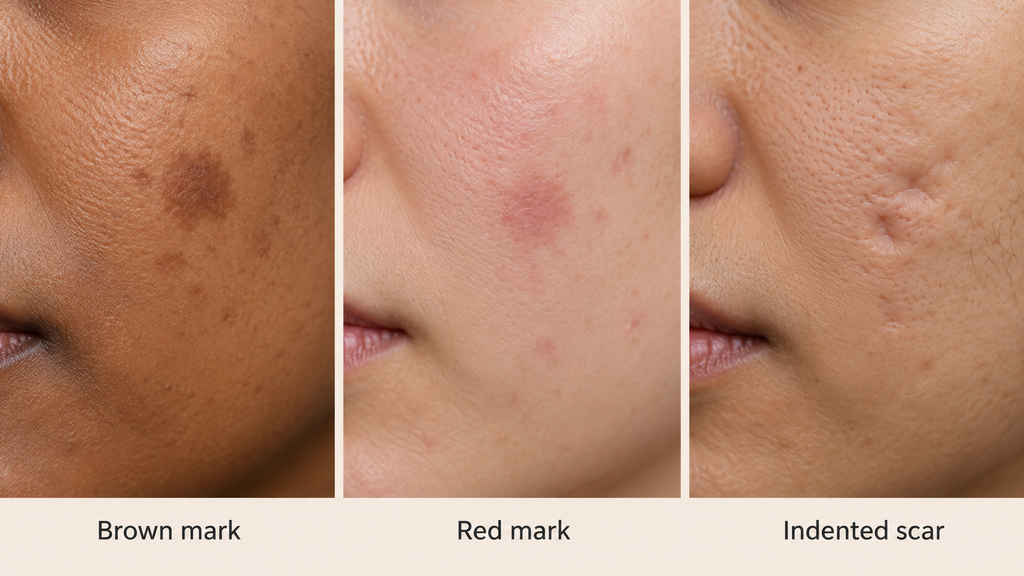
It helps to distinguish three concerns people often call “scars.” A flat brown mark after a pimple is post-inflammatory hyperpigmentation, which azelaic acid may help fade. A red or pink residual mark is different, while a dent or raised scar involves a change in skin structure; a cream that improves tone should not be expected to remodel a pitted scar. Dermatologists’ guidance on dark spots emphasizes treating the cause and protecting skin from light.
Is the 10% formula a rosacea or acne medicine?
No. This specific over-the-counter suspension is marketed to improve appearance, while studies and professional recommendations often involve different azelaic acid formulations or strengths. The American Academy of Dermatology’s rosacea guidance discusses prescribed azelaic acid gel or foam for acne-like rosacea bumps. If you have persistent flushing, painful acne, or a suspected skin condition, ask a dermatologist what treatment fits the diagnosis instead of assuming this cosmetic product is equivalent.
Does azelaic acid remove dark spots?
It may help fade some dark marks, particularly post-acne hyperpigmentation, but “remove” promises too much. The American Academy of Dermatology’s adult acne advice lists azelaic acid as an ingredient that fights acne and can fade the dark spots left when pimples heal. If new spots keep appearing, address the acne or irritation that causes them; treating old marks alone becomes a losing cycle.
Sun protection is part of the treatment plan, especially if pigment is your main concern. The dermatology association recommends broad-spectrum SPF 30 or higher and notes that a tinted sunscreen with iron oxides can also help protect against visible light that worsens some dark spots. Azelaic acid itself does not significantly increase sun sensitivity, according to the brand, but that does not make sunscreen optional.

How to use The Ordinary Azelaic Acid Suspension 10%
The manufacturer says to use a small amount on the face in the morning and evening, avoiding the eye contour and contact with eyes and mouth. It advises a patch test first, use only on unbroken skin, and sun protection during the day. If you have a reactive routine, starting with one evening application a few times a week is a cautious way to learn how your skin responds; that slower schedule is practical advice, not the brand’s required dose.
- Cleanse gently and let skin settle. Avoid applying to cuts, freshly picked spots, or a visibly irritated area.
- Apply any lightweight water-based serum you already tolerate. Let it settle before the next layer.
- Spread a small amount of the azelaic acid suspension over the intended area. Do not scrub it into the skin.
- Follow with moisturizer if needed. In a morning routine, finish with sunscreen.
The brand places this product in the treatment step, after water-based products and before heavier treatments. Its own usage directions and FAQ are the best reference if your routine changes or the formula is updated. A small amount also makes it easier to see whether any irritation comes from this step rather than from adding several new products at once.

Can you use it with retinol, vitamin C, or other acids?
For this specific formula, follow the brand’s compatibility advice. The Ordinary currently lists retinoids, direct acids, direct vitamin C, peptides, copper peptides, and several of its other product categories under “do not use with.” That is a manufacturer recommendation about combining products in a routine, not proof that azelaic acid can never appear in a dermatologist-designed regimen with those ingredients. Separate potentially irritating products into different routines and get individualized advice if you use prescriptions.
| Other step | Simple approach with this product |
|---|---|
| Gentle cleanser, plain moisturizer | Keep them in the same routine. |
| Water-based hydrating serum | Apply first and allow it to settle. |
| Retinoid or strong exfoliating acid | Use a separate routine rather than layering with this suspension. |
| Direct vitamin C or peptide treatment | Check the current manufacturer compatibility guidance before combining. |
| Sunscreen | Use as the final morning step. |
What results are realistic, and when?
You may notice a cosmetic change in how smooth the cream makes skin feel sooner than you see a durable change in breakouts or pigmentation. DermNet says improvement in acne from azelaic acid cream may appear after about a month, with more improvement over a longer period. That is general ingredient guidance, not a promised timeline for this 10% product; the published review of azelaic acid studies spans different conditions and formulations.
For a useful “before and after,” take photographs under the same lighting and angle, with similar makeup and no beauty filter. Compare the same types of marks every few weeks and note whether new breakouts are still occurring. If a dark patch spreads, changes unusually, or does not fit an obvious post-acne pattern, have it assessed rather than waiting on a cosmetic brightening product.

Why does the product pill or feel heavy?
The Ordinary lists dimethicone and other texture-building ingredients in the formula, which feels more like a silky cream than a watery serum. Some people like the smooth finish; others notice little rolls of product when they rub or add layers on top. That rolling is usually product pilling, which is different from skin peeling caused by irritation. The brand’s guide to product pilling recommends using smaller amounts, following layer order, and giving products time to settle.
Try a smaller amount, apply it after watery layers, and smooth it on without repeated rubbing. If your sunscreen or makeup still rolls up, test the suspension at night so your morning protection stays comfortable to apply. Do not cut back your sunscreen just to make the treatment work cosmetically; the daytime protection matters more for dark marks.

Side effects and when to pause
Azelaic acid can cause stinging, dryness, redness, itching, or burning, especially on sensitive or already irritated skin. The manufacturer advises rinsing off and stopping use if irritation develops, and consulting a physician. DermNet also recommends medical advice for severe redness, scaling, itching, or burning.
Patch test before full-face use and avoid broken skin and the eye area. If you develop substantial swelling, blistering, or a worsening reaction, stop the product and seek professional advice. If you are pregnant or breastfeeding, review your full routine with your clinician: the American Academy of Dermatology says azelaic acid is thought to be safe in pregnancy, but that general statement is not an individualized clearance for every product or combination.
Is The Ordinary Azelaic Acid Suspension 10% worth trying?
It is a reasonable candidate when your goals are a more even-looking tone, less visible post-breakout discoloration, and smoother-looking texture, provided you can tolerate the feel of a cream suspension. It may be a poor match if layers of makeup or sunscreen routinely pill over it, or if you expect treatment of deep acne scars or severe inflammatory acne. A practical first trial is a patch test, a minimal evening routine, and a consistent sunscreen habit before deciding whether the product earns a place in your routine.
This article is general skin-care information, not a diagnosis or personal treatment plan. A dermatologist can help if your acne, redness, or pigmentation persists or if you are unsure what is causing a spot.

Frequently asked questions
What does The Ordinary Azelaic Acid Suspension 10% do?
It is sold to improve the appearance of uneven tone and texture, dullness, and redness. Azelaic acid also has evidence for acne and pigment concerns, but published findings from other strengths and formulations should not be read as guaranteed results from this particular tube.
Does azelaic acid remove dark spots completely?
Some post-acne brown marks may fade with consistent care, but not every dark patch has the same cause. Address recurring breakouts and wear appropriate sun protection; get an unexplained or changing spot checked.
Can I use The Ordinary azelaic acid every day?
The brand directs a small amount in the morning and evening, provided you tolerate it. If your skin is easily irritated, begin less often and increase only if comfortable; stop if a significant reaction develops.
Should I apply azelaic acid before or after moisturizer?
The brand places this suspension after water-based treatments and before heavier products, so moisturizer usually follows it. Keep layers thin and let each settle if you notice pilling.
Can I use this suspension with niacinamide?
The manufacturer’s current conflict list specifically names Niacinamide Powder, not every premade niacinamide serum. A water-based niacinamide serum would go first, but patch test the combination and check the current guidance for the exact formulas you own.
How long should I use it before checking results?
Take consistent photographs over several weeks rather than judging it after one night. Ingredient-level studies vary in concentration and formulation, so there is no reliable universal deadline for this 10% suspension.
Conclusion
The Ordinary Azelaic Acid Suspension 10% offers a straightforward way to try azelaic acid for uneven-looking tone and texture, with a few practical tradeoffs in feel and layering. Start with a patch test and a small amount, protect your skin during the day, and judge changes under consistent lighting over time. If your main concern is a stubborn patch, ongoing acne, or significant redness, ask a dermatologist for a treatment plan tailored to the cause.